Happy Labor Day (in the U.S.) !
My favorite labor day quote, by philosopher Olfa Youssef of Tunisia from here (my translation) :
“It’s not so important for workers to have a holiday. The important thing is for work to be more like a holiday. That won’t happen until humans stop exploiting other humans. You can’t expect someone to be happy when they’re working to exhaustion for less than a living wage.
A beautiful image for today:
by Moataz Nasr in Cairo, from here.
Egypt has prioritized its film industry more than any other Arab nation, and it shows in the quantity and quality of its output. (It also shows in the predominance of Egyptian Arabic throughout Arabic media internationally.) The following films stand out to me for their entertainment value and also for their intellectual contribution to social and cultural studies. They are also available with English subtitles.
Terrorism & BBQ was the first Arabic film I ever saw; I was studying Arabic at Emory University.
For English speakers beginning to learn Arabic, the most popular and most effective book is Alif Baa by Brustad, Al-Batal, and Al-Tonsi. Based on the order of its vocabulary, here are some materials that I like to use for providing cultural input in Arabic class:
Unit One Salam‘alikum by Jil Jilala from here Unit Three Kifak ya inta by Feirouz from here To be continued…
Image:
Alice Walker speaks in the occupied
West Bank city of Ramallah. Lazar Simeonov TEDxRamallah
Because I have studied Arabic for a long time, people sometimes ask me for my analysis of the Israeli-Palestinian conflict. I usually let others steer the conversation, not because I have no ideas or opinions, but because sometimes I have little to say. I recently read Alice Walker’s book The Cushion in the Road (2013).
Image:
Alice Walker speaks in the occupied
West Bank city of Ramallah. Lazar Simeonov TEDxRamallah
Because I have studied Arabic for a long time, people sometimes ask me for my analysis of the Israeli-Palestinian conflict. I usually let others steer the conversation, not because I have no ideas or opinions, but because sometimes I have little to say. I recently read Alice Walker’s book The Cushion in the Road (2013).
Here are some sources that I can recommend that relate to Jews in the Arab World:
Medieval Middle East Norman Stillman’s source book is excellent, especially for those seeking an overview of the earliest records regarding Jews and the spread of Arabic culture (from the 7th to 19th century). It gives access to primary sources in English translation, and is very balanced in its representation of societies.
Shlomo Dov Goitein’s work is magnificent in adding to historical scholarship on the Mediterranean.
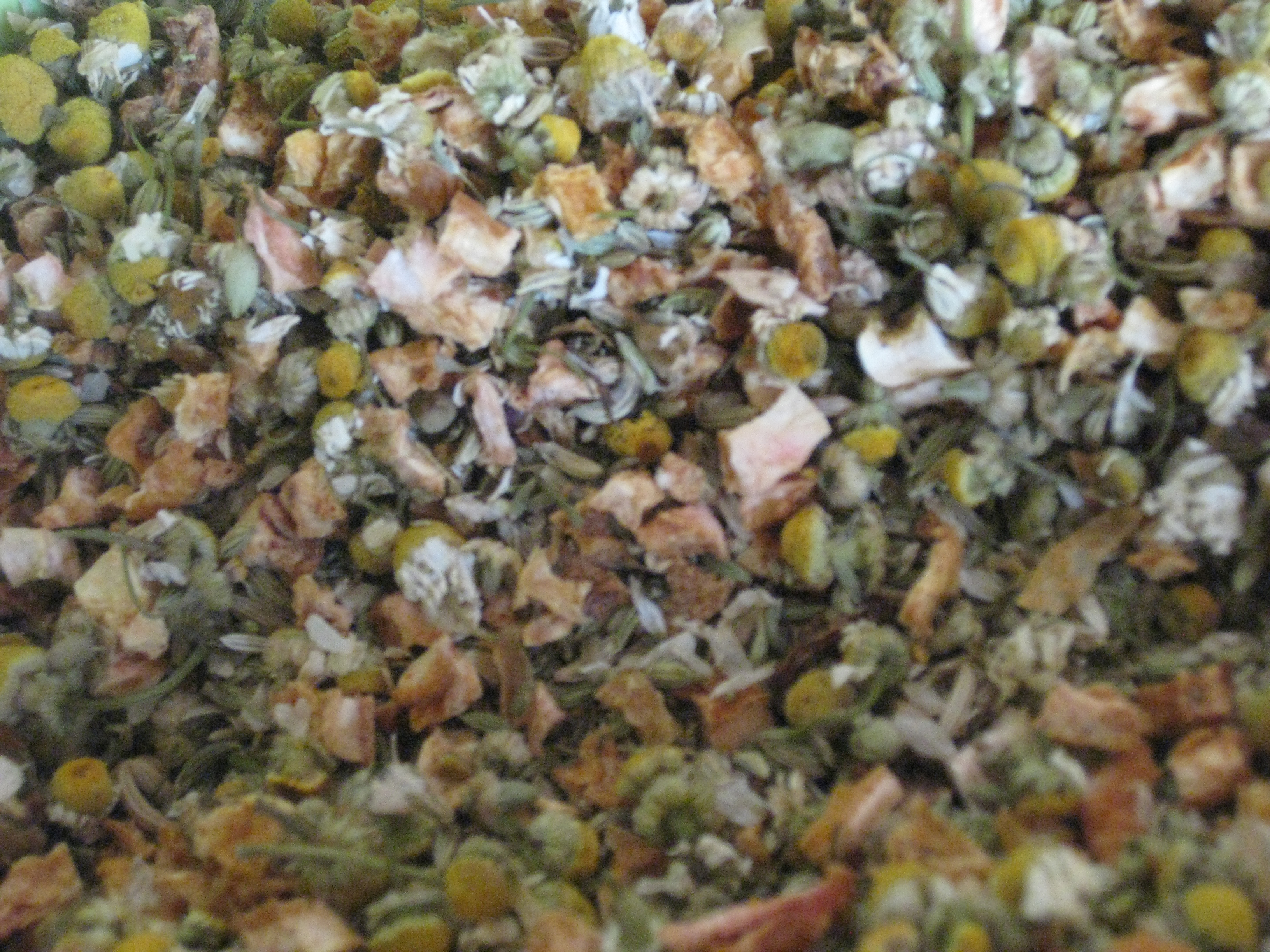
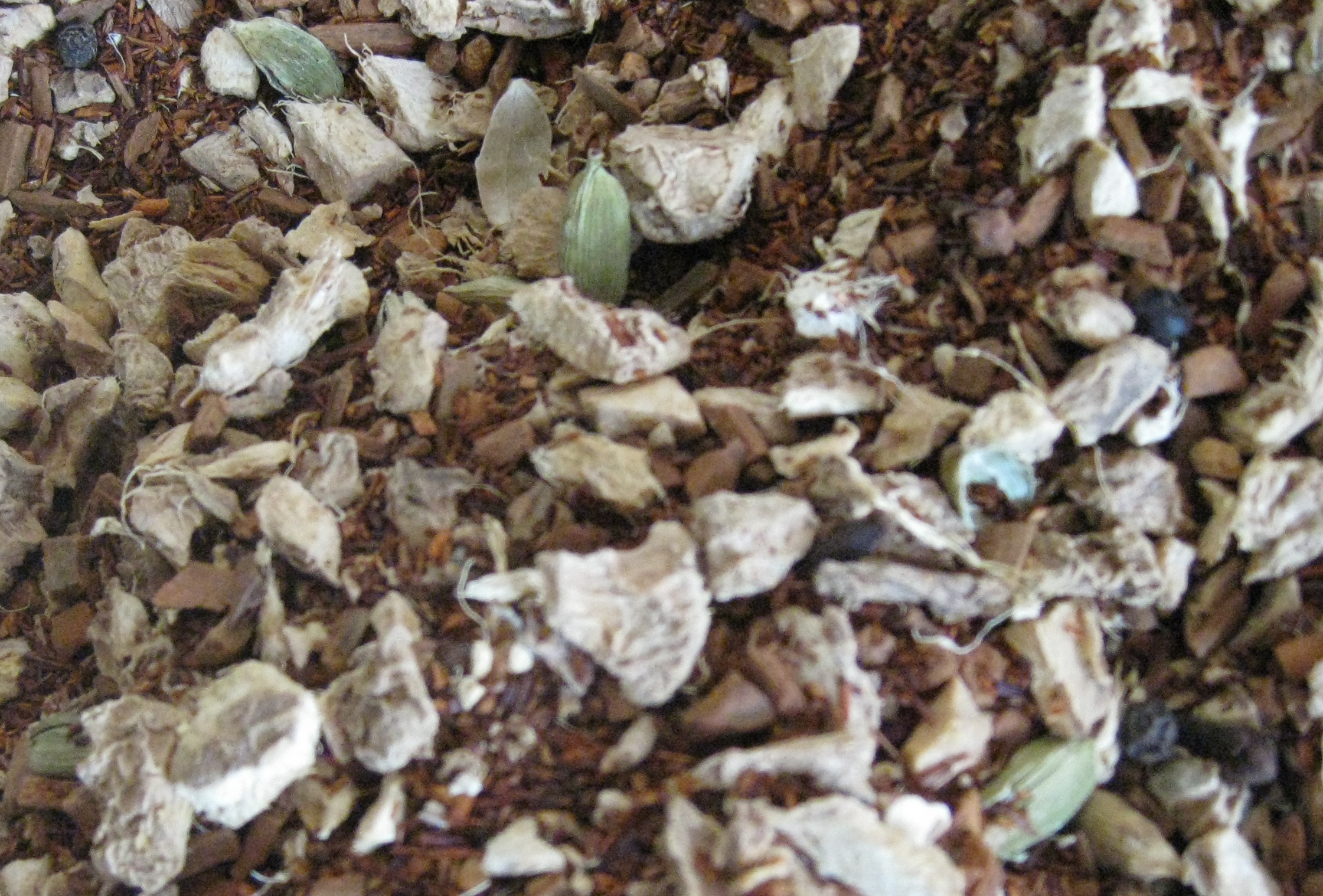
I like to blend my own teas during the cold weather months. This year I’ve made the following three caffeine-free blends. I’d love to hear of other favorites to try next year!
Chamomile Ingredients:
Chamomile Flowers
Fennel Seeds
Lemon Peel
Hint of Basil Leaf
Dash of Licorice Root
 Chai Ingredients:
Red Rooibos
Ginger Root
Cardamom Pods
Cinnamon Bark
Cloves
Black Pepper
 Ginger Ingredients:
Ginger Root
Lemongrass
Fennel Seeds
Two days ago, Radwa Ashour passed away. Ashour is my all-time favorite writer of Arabic literature. I discovered her through her trilogy, ثلالية غرناطة / Granada (currently only part 1 of 3 has been translated into English). I was a student in Cairo, and I chose to write my final paper (in Arabic) on this historical novel that tells the tale of a family and related characters in the Iberian Peninsula of the fifteenth century.
Have you ever heard a poem performed live in such a way that it captured your whole attention?
There are tons of amazing poetry performances in Arabic, both spoken and sung.
Hesham El Gakh
Al-Ta’shira
This is my all-time favorite spoken poem performance. Sorry, I don’t have time to translate it now…maybe later! The poet is Hesham El Gakh from Egypt, and the venue is Prince of Poets in the UAE, the biggest live Arabic poetry venue.